Weaning, or introducing your baby to their first solid foods, can be both exciting and nerve-wracking. Babies might not swallow much food to begin with, but they will gradually learn how to eat more from a spoon or with their fingers, and enjoy new tastes and textures! Watch our short weaning guide to see how to start weaning.
How to begin your weaning journey
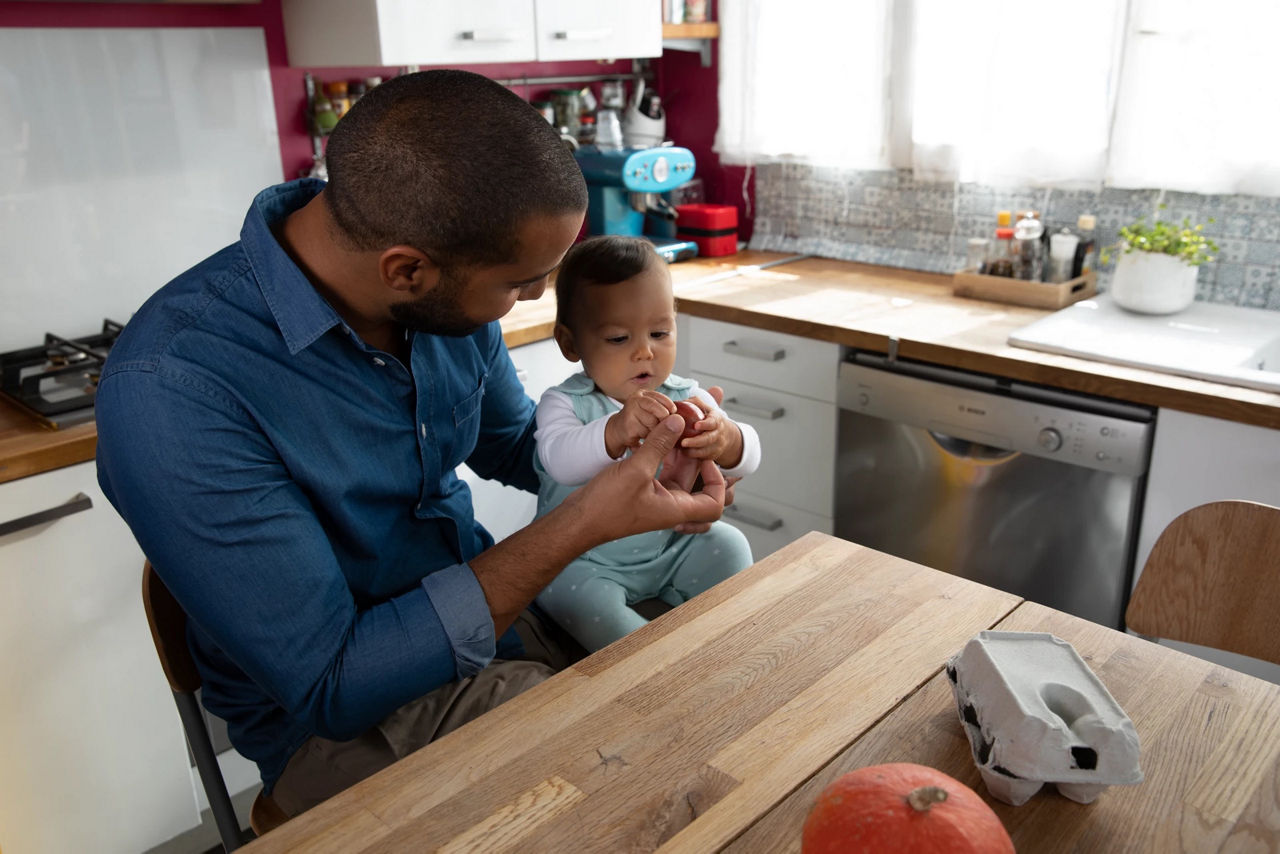
When to wean your baby
Starting solids is a major milestone for your baby, as there's a lot for them to learn. So it is important to let your baby lead the way and wait until they show signs that they are ready for weaning.
Breastfeeding is recommended from birth onwards, and when your baby reaches around 6 months of age, the Department of Health recommends weaning should start alongside your baby’s usual milk. Waiting until around 6 months to introduce solid foods into your baby's diet should help to ensure that they are ready to try new tastes and textures1.
The Department of Health recommends weaning should start from around six months.
Some parents consider weaning before six months because their baby seems ready, or has started waking more often in the night. However, these changes may well be due to other reasons. If your baby shows signs of readiness before they are 6 months old, extra feeds of your baby’s usual milk should be sufficient and their appetite should return to normal fairly quickly1.
If you are still unsure when to start weaning, or if your baby was born prematurely, please seek advice from your health visitor or doctor about when to start introducing solid foods.

Join Aptaclub for a chance to win an exclusive bundle of baby essentials plus expert feeding advice, expert parenting tools, helpful checklists and the latest deals straight to your inbox.
By registering you're confirming you agree with our T&Cs and Privacy Policy. You can opt out anytime.
Getting started
To begin with, weaning is more about introducing the idea of eating. It’s normal for babies to push food out with their tongue at first as they get used to the sensation and taste of something other than their usual milk. With practice, they will soon get the hang of keeping food in their mouth and swallowing it.
While your baby is getting used to eating food, keep going with your usual milk feeding routine. And remember that cows’ milk isn’t suitable as a drink until your baby turns one year old.
Cooked, puréed vegetables or fruits are ideal for your baby’s first tastes. Softer fruits such as banana, mango or avocado can be mashed with no need for cooking. First, try offering a few teaspoons once or twice each day. You can then gradually increase the amount of food over a few weeks until they are eating 3 daily meals.
Some parents offer baby rice made up with their baby’s usual milk in the early stages of weaning. This can also be mixed with fruit or vegetable purées for added flavour and texture.
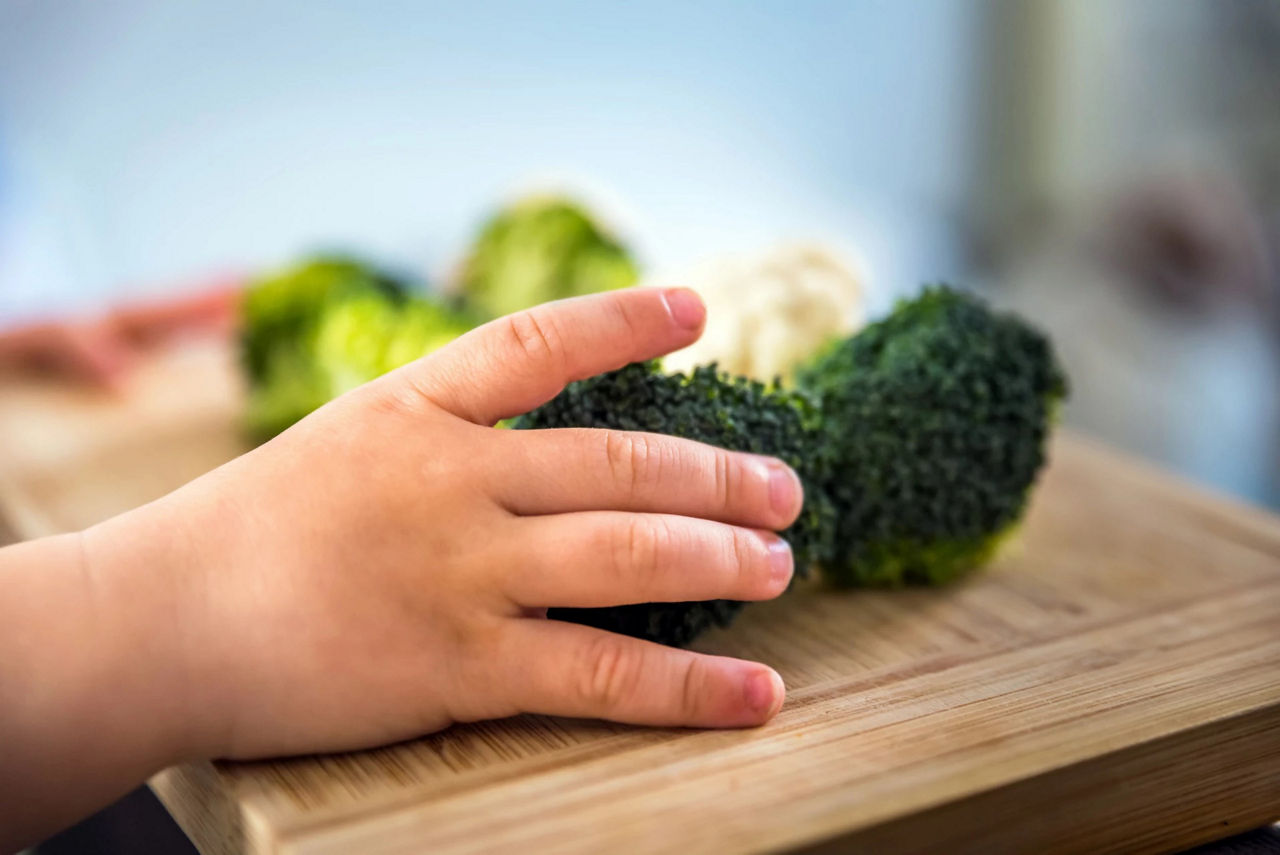 Try to include lots of different types of vegetables, fruits and grains into their meals, as part of a varied and balanced weaning diet.
A varied and balanced baby weaning diet
No single food can give your baby everything they need. So once your baby gets used to the idea of weaning, you can gradually start to offer them a greater variety of foods.
As part of a varied, balanced weaning diet, you could try starting your baby's day with cereal; such as homemade porridge or a shop bought baby cereal. As your baby gets older, you can introduce cereals with thicker textures for your baby to enjoy.
Try to include lots of different types of vegetables, fruits and grains into their meals, as part of a varied and balanced weaning diet.
The right texture
In the early stages, smooth purées are ideal to help your baby learn how to swallow solid foods. Apples, pears, carrots, and sweet potatoes are all easy to cook and blend. Make sure you peel them first to remove any skin that may be too tough for your baby.
The right tastes
Try introducing simple tastes, such as pumpkin, carrot and other vegetables, before moving on to more complex meal combinations. Just cook them as you normally would, but without any added sugar or salt, which can be harmful to your baby2.
Foods to avoid
At this early stage of weaning, there are a few foods that your baby may find more challenging to deal with. These include salt and salty foods such as bacon, added sugar; honey isn’t suitable until 1 year as it may contain bacteria that can produce toxins, leading to infant botulism. Nuts should also be avoided unless they are very finely ground2. Learn more in our article about foods to avoid during weaning.
For more information read our allergy advice.

Related articles



Get in touch with our Careline experts
Our nutritionists and feeding advisors are always on hand to talk about feeding your baby. So if you have a question, just get in touch
- NHS Start4Life. Ready or Not? [Online]. Available at: https://www.nhs.uk/start4life/weaning/ready-or-not/ [Accessed January 2021]
- NHS. Foods to avoid giving babies and young children [Online]. Available at : https://www.nhs.uk/conditions/baby/weaning-and-feeding/foods-to-avoid-giving-babies-and-young-children/ [Accessed February 2021]
Last reviewed: 15th February 2021
Reviewed by Nutricia’s Medical and Scientific Affairs Team