Caffeine and breastfeeding

We hear lots of stories about caffeine – some positive but many negative. So what’s the story with caffeine and what about enjoying tea or coffee when you are breastfeeding?

Well caffeine is a chemical which occurs naturally in several plant foods. High amounts are found in tea leaves, coffee and cocoa beans and cola nuts. So it is found in foods and drinks made from these plants – the levels of caffeine varying greatly from one product to the next.

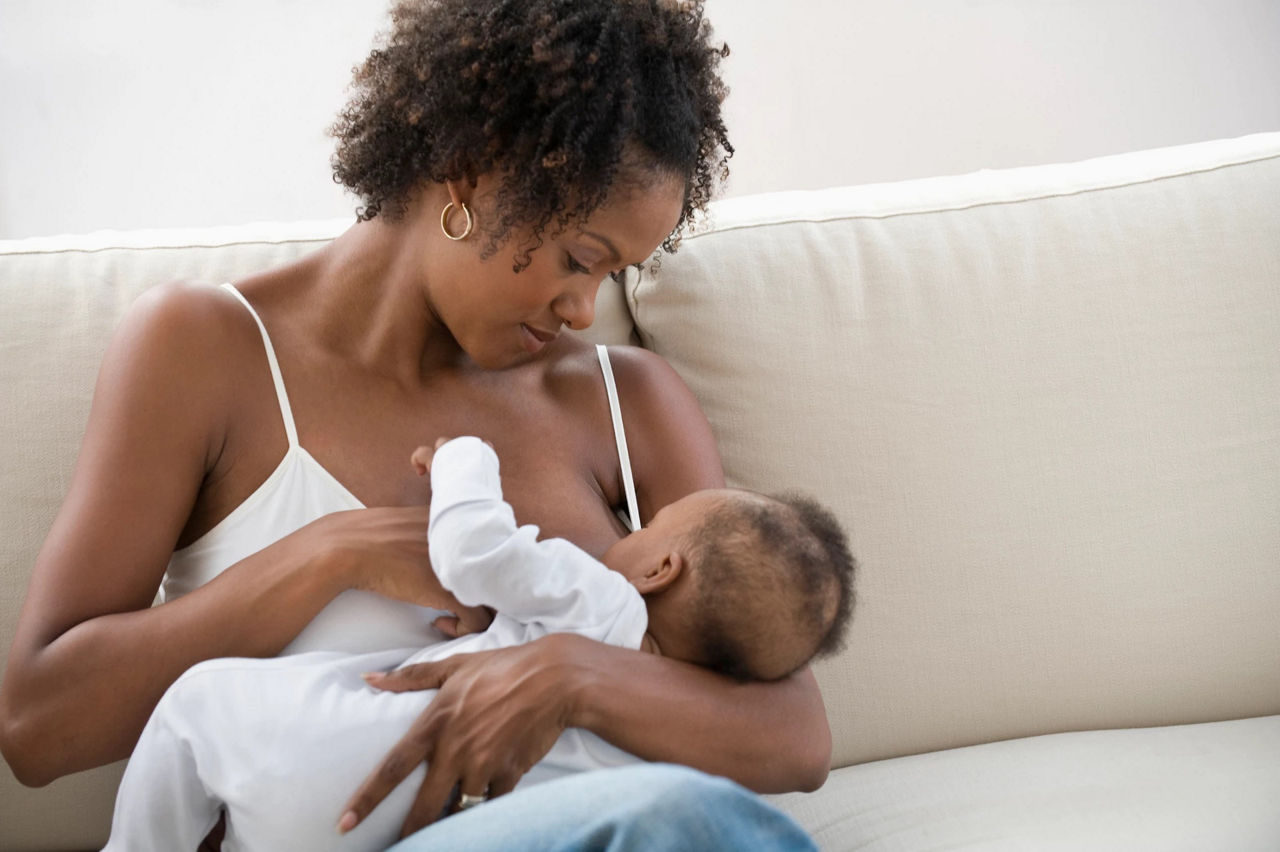
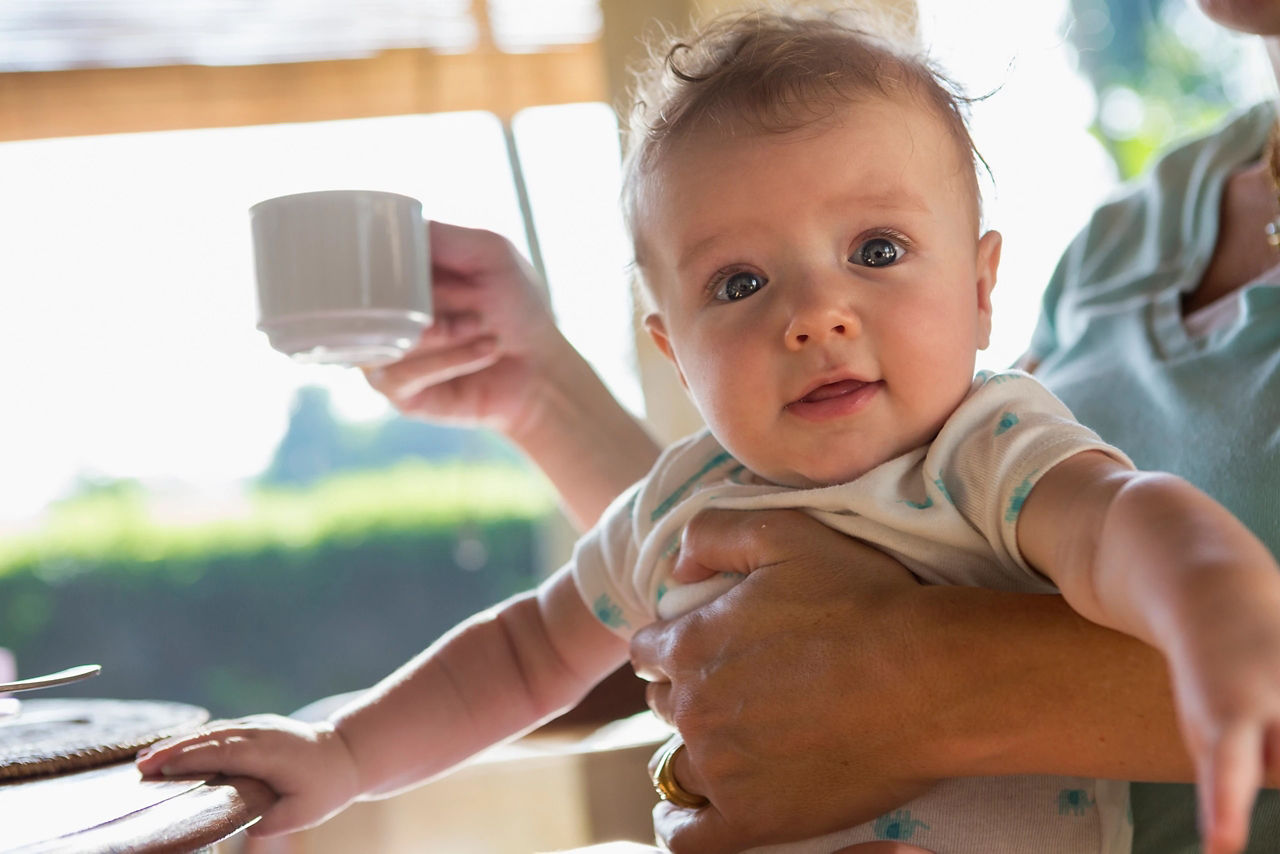
holding-baby-and-coffee

It can improve alertness and energy levels (which you might feel you need with a new baby in the house) but too much can cause heart flutters or palpitations and may pass through the breastmilk and stimulate your baby.  The latest guidance states that if you are pregnant you should take no more than 200mg of caffeine per day and if breast-feeding you should continue to limit your consumption, as it may have a stimulating effect on you but also on your baby through your breastmilk. However, some studies reckon that only a tiny amount of the caffeine you drink ends up in your breastmilk (about 1%).

What are the main sources of caffeine?

The main sources are coffee, tea, cocoa, colas (and some other soft drinks), stimulant or energy drinks. Smaller amounts are found in chocolate and chocolate flavoured desserts. Certain tablets also contain caffeine (some cold and flu tablets, pain relief tablets anti-histamines) so always let the doctor or pharmacist know you are breastfeeding. Energy boosting supplements, sports drinks and weight loss aids can also contain quite large amounts of caffeine so avoid these while pregnant or breastfeeding.

Favourites_Cards

Join Aptaclub for a chance to win an exclusive bundle of baby essentials plus expert feeding advice, expert parenting tools, helpful checklists and the latest deals straight to your inbox.

Your email will be used to create your account and to recognise you when you contact us. We may also use your email to match data for research purposes.
Loading....
This field is required Please retype or use an alternative email address with a minimum of two letters, containing an @ symbol i.e. email@email.co.uk Your email has been verified. You can now register Please verify your email before submitting. Name validation https://bpi.briteverify.com/api/public/v1/fullverify 2b465552-a427-4a22-b5a8-aaba7770bf1d
Your password must be a minimum of 8 characters, with at least 1 letter, 1 number and 1 special character.
This field is required Please ensure your passwords match and contain a minimum of 8 characters, with at least 1 letter, 1 number and 1 special character.
Cow & Gate products excluding first infant milks and food for special medical purposes.
Please tick this box
Before we send you advice and information on infant feeding (for babies below 6 months), we're required to ask for your consent.

It looks as though you already have an account with us via [Aptaclub/C&G Babyclub] – please try your password for that account to login, or click 'forgot my password' to reset.

Please correct the errors in the form

By registering you're confirming you agree with our T&Cs and Privacy Policy. You can opt out anytime.

How much is 200mg of caffeine?

  • Tea contains 44mg of caffeine per 200ml cup (range between 40-120mg depending on strength and size)
  • Instant coffee contains 78mg of caffeine per 200ml cup (range between 27-173mg)
  • Freshly brewed coffee contains 111mg per 200ml cup (range between 102-200mg)
  • Decaffeinated coffee contains 4mg of caffeine per 200ml cup (range between 3-12mg)
  • A 30ml shot of Espresso shot contains 40mg of caffeine (range between 30-90mg)
  • A 500ml bottle of a Cola drink contains 29mg-32mg
  • Hot cocoa contains 8mg per 200ml cup
  • A 45g bar of milk chocolate contains 11mg, whereas dark chocolate contains 31mg per bar

The exact amount of caffeine will vary according to cup size, brewing methods and brand of tea or coffee.

A few cups of tea or coffee each day will probably not cause you or your baby any problems.  However, if you suspect your baby is reacting to caffeine, you could try avoiding caffeine from all sources (coffee, tea, soft drinks, chocolate) for two to three weeks. But remember, however, that stopping all caffeine may result in headaches or other symptoms for you.  If over stimulation from the caffeine is causing your baby’s sleeplessness, you should see a more normal sleeping pattern within two weeks of dropping the caffeine.

If you would like to discuss your diet in breastfeeding further why not contact our Careline.
Your baby's future health begins here

At Aptaclub, we believe that experience helps to build resilience; and that each new encounter, whether in pregnancy or after birth, can shape your baby’s future development. With our scientific expertise and one-to-one round the clock support, we can help you and your baby embrace tomorrow.

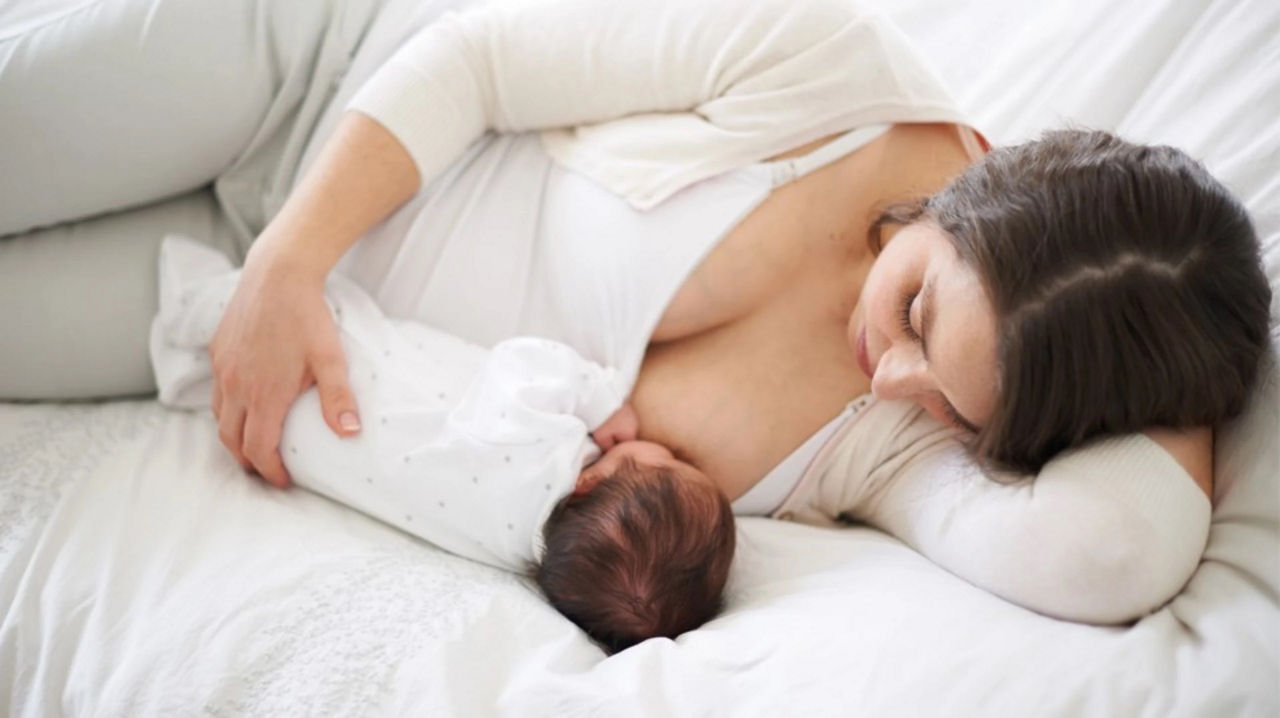
mom and baby

Get in touch with our Careline experts

Our nutritionists and feeding advisors are always on hand to talk about feeding your baby. So if you have a question, just get in touch

Share this article

Favourites_Cards

Join Aptaclub for a chance to win an exclusive bundle of baby essentials plus expert feeding advice, expert parenting tools, helpful checklists and the latest deals straight to your inbox.

Your email will be used to create your account and to recognise you when you contact us. We may also use your email to match data for research purposes.
Loading....
This field is required Please retype or use an alternative email address with a minimum of two letters, containing an @ symbol i.e. email@email.co.uk Your email has been verified. You can now register Please verify your email before submitting. Name validation https://bpi.briteverify.com/api/public/v1/fullverify 2b465552-a427-4a22-b5a8-aaba7770bf1d
Your password must be a minimum of 8 characters, with at least 1 letter, 1 number and 1 special character.
This field is required Please ensure your passwords match and contain a minimum of 8 characters, with at least 1 letter, 1 number and 1 special character.
Cow & Gate products excluding first infant milks and food for special medical purposes.
Please tick this box
Before we send you advice and information on infant feeding (for babies below 6 months), we're required to ask for your consent.

It looks as though you already have an account with us via [Aptaclub/C&G Babyclub] – please try your password for that account to login, or click 'forgot my password' to reset.

Please correct the errors in the form

By registering you're confirming you agree with our T&Cs and Privacy Policy. You can opt out anytime.

x